Introduction
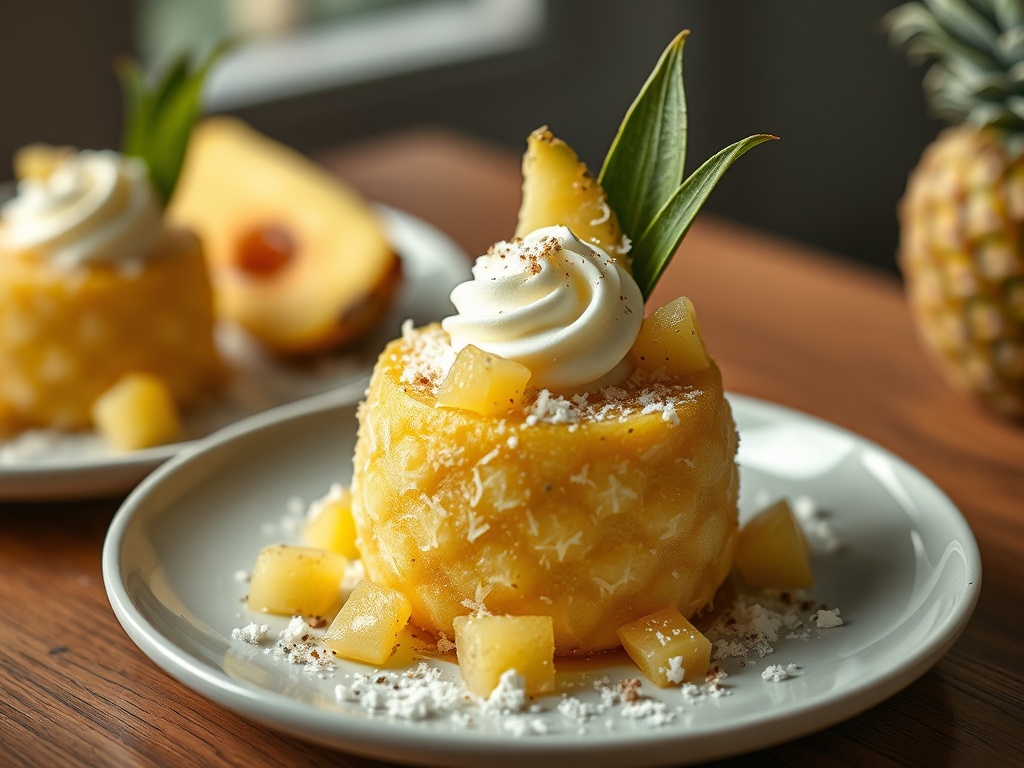
Escape to a sun-drenched paradise with every spoonful of this Tropical Pineapple Coconut Dessert! Imagine the sweet, tangy burst of fresh pineapple perfectly harmonizing with the creamy, luscious richness of coconut, all culminating in a dessert that’s as refreshing as a gentle ocean breeze. This isn’t just a dessert; it’s a mini-vacation for your taste buds, a vibrant celebration of tropical flavors that transports you straight to an island getaway. Its irresistible appeal lies in its balanced profile – the bright acidity of the pineapple beautifully cuts through the inherent sweetness of the coconut, preventing it from being overly rich and ensuring a light, exhilarating finish.
Why choose this recipe to satisfy your tropical cravings? For starters, it’s delightfully easy to prepare, making it accessible for even novice bakers or those short on time. Forget complicated techniques or endless ingredient lists; this dessert focuses on showcasing the natural brilliance of its star components. It’s a guaranteed crowd-pleaser, perfect for summer gatherings, backyard barbecues, or simply when you need a sweet pick-me-up that feels both indulgent and invigorating. Moreover, it offers a refreshing twist on classic tropical combinations, elevating familiar flavors into something truly special. Get ready to impress your family and friends with a dessert that looks stunning and tastes even better, all with minimal effort. This article will guide you through simple steps to achieve delicious, show-stopping results.
The magic of this dessert truly begins with its star ingredients: pineapple and coconut. These two powerhouses of tropical cuisine are not just delicious individually, but together, they create an unparalleled flavor synergy. The juicy, vibrant notes of pineapple, whether fresh or canned, provide a delightful tang and natural sweetness. This acidity is crucial, as it brilliantly contrasts with the smooth, buttery texture and subtle sweetness of coconut milk, shredded coconut, and flakes. This interplay of sweet, tangy, and creamy textures is what makes each bite so incredibly satisfying and balanced. Beyond their incredible taste, these ingredients also come packed with benefits; pineapple is rich in Vitamin C, manganese, and bromelain, an enzyme known to aid digestion. Coconut, on the other hand, is a good source of healthy fats (MCTs), fiber, and essential minerals like iron and magnesium. Together, they don’t just create a delicious treat, but one that offers a little something extra for your well-being. We’ll explore the best ways to source and select these ingredients to ensure your dessert is nothing short of perfection.
Nutritional Information
Per serving (approximate values):
- Calories: 350
- Protein: 4g
- Carbohydrates: 45g
- Fat: 20g
- Fiber: 5g
- Sodium: 50mg
Ingredients
- 1 large ripe pineapple (about 3-4 lbs), or 2 (20-ounce) cans crushed pineapple in juice, undrained
- 1 (13.5-ounce) can full-fat coconut milk, chilled overnight
- 1/2 cup granulated sugar (adjust to taste)
- 1/4 cup cornstarch
- 1 teaspoon vanilla extract
- 1/4 teaspoon salt
- 1 cup shredded unsweetened coconut, lightly toasted
- 1/2 cup heavy cream (optional, for extra richness)
- 2 tablespoons fresh lime juice (optional, for extra zest)
- Fresh mint sprigs, for garnish
- Lime zest, for garnish
Instructions
- If using fresh pineapple: Peel, core, and chop the pineapple into small pieces. Place the chopped pineapple into a blender or food processor and pulse until it reaches a chunky puree consistency. You should have about 3 cups of pineapple puree. If using canned crushed pineapple: Skip the blending step, simply use the crushed pineapple with its juice.
- In a medium saucepan, combine the pineapple puree (or canned crushed pineapple), granulated sugar, cornstarch, and salt. Whisk well to ensure the cornstarch is fully dissolved and there are no lumps.
- Place the saucepan over medium heat. Bring the mixture to a gentle simmer, stirring constantly with a whisk or rubber spatula. Continue to cook and stir for 5-7 minutes, or until the mixture thickens significantly and coats the back of a spoon. The consistency should be similar to a thick pudding.
- Remove the saucepan from the heat. Stir in the vanilla extract and lime juice (if using). Transfer the pineapple mixture to a shallow dish or bowl. Cover the surface directly with plastic wrap to prevent a skin from forming, and refrigerate for at least 2-3 hours, or until thoroughly chilled. This step is crucial for the dessert to set properly and for the flavors to meld.
- While the pineapple mixture chills, prepare the coconut cream. Open the chilled can of full-fat coconut milk without shaking it. Carefully scoop out the thick, solid coconut cream from the top, leaving the watery liquid behind (you can save the liquid for smoothies).
- In a separate mixing bowl, combine the scooped coconut cream with the optional heavy cream (if using). Using an electric mixer, beat on high speed until light, fluffy, and smooth, similar to whipped cream. Be careful not to overbeat, or it may separate.
- To assemble the dessert: In individual serving glasses or a large trifle dish, layer half of the chilled pineapple mixture at the bottom.
- Evenly spread half of the whipped coconut cream over the pineapple layer.
- Sprinkle generously with half of the toasted shredded coconut.
- Repeat the layers: add the remaining pineapple mixture, followed by the remaining whipped coconut cream.
- Garnish the top with the remaining toasted shredded coconut, fresh mint sprigs, and a sprinkle of fresh lime zest.
- Serve immediately or chill for another 30 minutes to an hour for optimal enjoyment.
Cooking Tips and Variations
To ensure your Tropical Pineapple Coconut Dessert is absolutely perfect, always start with the best ingredients. If using fresh pineapple, choose one that smells sweet at its base, has vibrant green leaves, and gives slightly when squeezed. This indicates ripeness and superior flavor. When toasting shredded coconut, use a dry skillet over medium-low heat, stirring constantly for 3-5 minutes until golden brown. This small step adds an incredible depth of flavor and a delightful crunch that elevates the entire dessert. For an extra bright flavor, a small amount of lime or lemon zest can really enhance the tropical notes without making the dessert overtly citrusy. Remember to chill your full-fat coconut milk overnight for the best separation of cream and liquid, which is key for a fluffy coconut topping.
For those looking to customize, this dessert offers fantastic versatility. For an “adult” version, a splash of rum or coconut liqueur (like Malibu) folded into either the pineapple mixture or the coconut cream adds a delightful boozy kick. Don’t limit yourself to just pineapple; experiment with other tropical fruits like mango, passion fruit, or even sliced bananas for different flavor profiles. Simply swap out some or all of the pineapple puree for your fruit of choice. For added texture, consider folding in some crushed nuts like macadamias or cashews, or even adding a simple crumble topping made from crushed shortbread cookies or graham crackers. Dietary adaptations are also straightforward: for a fully vegan dessert, ensure you use full-fat coconut milk and a plant-based sweetener if preferred. The recipe is naturally gluten-free, making it a great option for those with sensitivities. If your pineapple mixture seems too watery, you can always whisk in an additional teaspoon of cornstarch mixed with a tablespoon of cold water and cook for another minute or two until thickened to your desired consistency. Thorough chilling is your best friend for this dessert; it allows the flavors to deepen and the textures to set.
Storage and Reheating
This Tropical Pineapple Coconut Dessert is best enjoyed chilled. Store any leftovers in an airtight container in the refrigerator. It will maintain its freshness and delicious flavor for up to 3-4 days. While the flavors may deepen slightly over time, the texture of the coconut cream topping is optimal within the first 24-48 hours. If you’ve garnished with fresh mint or lime zest, it’s best to add these just before serving for the freshest appearance. This dessert does not freeze well due to the dairy and fruit content, as freezing can alter the texture and consistency upon thawing. There’s no reheating necessary for this delightful chilled treat; simply pull it from the fridge and serve.
Frequently Asked Questions
What’s the best way to choose a ripe pineapple?
Look for a pineapple with a sweet, fragrant aroma at its base, vibrant green leaves that are not dry or brown, and a slight give when you gently squeeze it. Avoid pineapples with soft spots, mold, or a fermented smell. The color of the skin isn’t always the best indicator, as some varieties stay green even when ripe.
Can I use light coconut milk for the topping?
It’s highly recommended to use full-fat coconut milk for the whipped topping. Light coconut milk contains less fat and will not whip up to the same fluffy, stable consistency as full-fat coconut cream. The richness from the full-fat version is essential for achieving the desired texture and flavor in the coconut cream layer.
How can I make this dessert even more refreshing?
To enhance the refreshing quality, ensure all components are thoroughly chilled before assembly. You can also increase the amount of fresh lime juice in the pineapple mixture to add more zing, or serve it alongside a scoop of lime or mango sorbet. A sprinkle of fresh mint or a few extra shavings of lime zest on top just before serving will also brighten the flavors.
What if my pineapple mixture doesn’t thicken?
If your pineapple mixture isn’t thickening as expected, it’s likely due to not cooking it long enough or not using enough cornstarch. Ensure you’re cooking it over medium heat, stirring constantly, until it visibly thickens and coats the back of a spoon. If it’s still too thin, mix an additional teaspoon of cornstarch with a tablespoon of cold water to form a slurry, then whisk it into the warm pineapple mixture and continue to cook for another minute or two until it reaches your desired consistency.
